

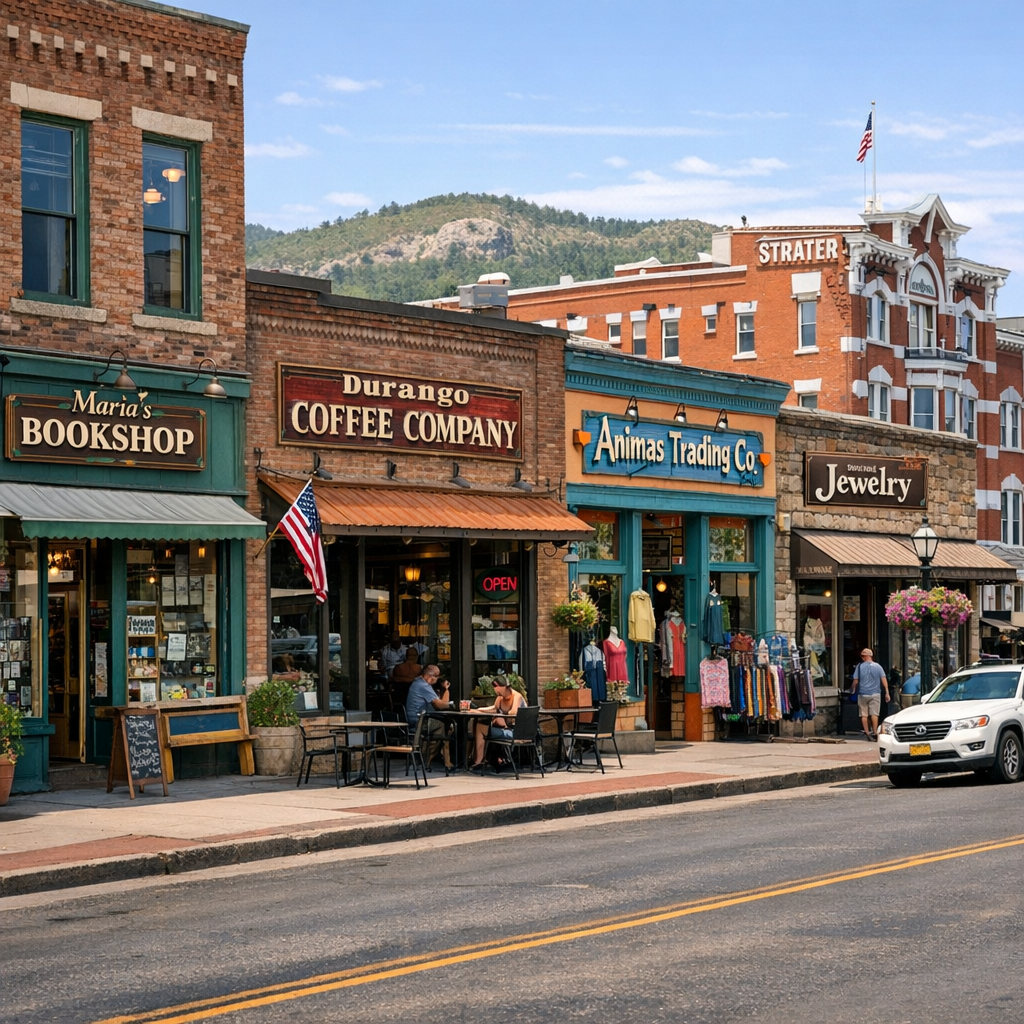
By William Cordova
Durango’s economic pulse has been stretching beyond its reputation as a tourism hub. Local entrepreneurs, economic development groups, and city policymakers are aligning in new ways — launching accelerator programs, pushing regulatory reforms, and building housing strategies — all to make the business climate livable, stable, and resilient.
Thriving Entrepreneur Ecosystem
The Southwest Colorado Accelerator Program for Entrepreneurs (SCAPE) is helping steer Durango toward a more diversified economy. The six-month program serves Region 9 counties, offering mentorship, capital access, and support systems to startups in tech, outdoor gear, craft food, and professional services. By helping new companies scale locally, SCAPE is creating jobs that stay in the area and offering alternatives to tourism-dependent income.
Meanwhile, West Slope Startup Week continues to set community momentum. Free sessions, pitch contests, and educational offerings draw founders, investors, and workers from across Colorado and neighboring states — the kind of connective tissue that nurtures innovation in rural settings.
Regulatory & Policy Adjustments
Starting and growing a business hasn’t always been easy here; overlapping permitting, regulations, and changing state rules have complicated beginning stages for small firms. In response, Durango partnered with Cities Work to collect local input, map out policy friction points, and issue recommendations aimed at lowering overhead for emerging businesses. These voids in policy clarity are considered among the most pressing obstacles.
Also integral are the updates in Durango’s strategic plan, which call for streamlining city services, public-private collaboration, and infrastructure investment — all intended to sustain business growth and economic health without sacrificing the town’s character.
Housing & Workforce Interdependency
Housing remains a big piece of the puzzle. Regional labor data suggest that Durango’s tight housing supply isn’t driven by speculative growth — it’s deeply tied to the types of jobs that exist locally. Retail, education, healthcare, hospitality, professional services and construction make up the bulk of employment in town, and many who fill those roles struggle to find affordable places close enough to live. Over 40-50% of local workers commute in from outside areas, which points to both cost pressures and spatial limits.
This dynamic reinforces something local business owners often say: without affordable housing and transit options, retaining workers becomes harder, turnover gets costlier, and business growth is constrained even when demand is high.
Opportunities Moving Forward
- Focused industry support: Target opportunities in high growth areas like sustainable construction, outdoor recreation gear, tech services, and clean manufacturing.
- Policy stability and process clarity: Streamlined permitting, regulatory consistency, and earlier engagement with the business community can make starting and scaling easier.
- Affordable housing as business strategy: Partnerships between developers, nonprofits, and industry can help build housing options that fit modest income levels, reducing long commutes.
- Leveraging regional partnerships: Cross-county programs, shared resources, and joint marketing for tourism and outdoor assets can help grow scale without compromising local identity.
Durango may look small on the map, but its economic narrative is growing bold. By aligning entrepreneurial energy and smart policy with concrete infrastructure like housing and regulation reform, this community is shaping a more diverse, sustainable foundation — one that can support successful businesses long after the next tourist season is over.